

Defoamers for Other Applications
Global expertise in defoamers and foam control
Beyond our specialized product lines, PMC Ouvrie provides foam control solutions for a diverse range of industrial and food processing applications. PMC OUVRIE's range of DELCLEAN™ and EROL™ antifoam agents are used in commercial salt production, pork peeling, animal feed production, and animal protein extraction and processing. From breweries and food manufacturing to water treatment, pulp and paper, and specialty chemical production, our technical expertise spans multiple sectors. Whether you need food grade defoamers for direct food contact or industrial formulations for demanding process conditions, we have the chemistry and application knowledge to solve your foam challenges.
Versatile Solutions Across Multiple Industries
Our portfolio includes food grade antifoams that meet regulatory requirements for food processing, as well as industrial-strength formulations for non-food applications. Each product is selected and optimized based on your specific process chemistry, operating conditions, and performance requirements. Our range of defoamers is produced in compliance with HACCP rules. PMC Ouvrie's technical team works closely with customers to identify the right defoamer technology for applications that fall outside our core product categories.
Common Foam Challenges Across Diverse Applications
Food and Beverage Processing: Food manufacturing operations; including dairy processing, beverage production, vegetable washing, and cooking operations generate foam from proteins, fats, and surfactants. Foam in kettles, mixers, and processing tanks reduces capacity, causes overflows, and complicates temperature control. In the meat industry, specialized solutions are required for slaughterhouse operations like scalding pigs and pork peeling. Breweries face particularly challenging foam during wort boiling, fermentation, and cleaning operations, requiring effective brewer defoamer solutions that won't impact flavor, head retention, or product quality.
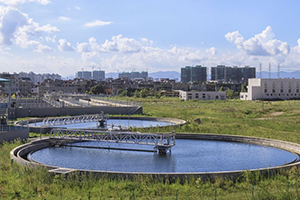
Water and Wastewater Treatment: Municipal and industrial wastewater treatment plants encounter foam in aeration basins, clarifiers, and digesters. This foam, often stabilized by surfactants, proteins, and suspended solids, can overflow tanks, interfere with biological processes, and create environmental and safety concerns. Potable water treatment operations also face foam issues during coagulation, flocculation, and filtration that must be controlled without introducing contaminants.
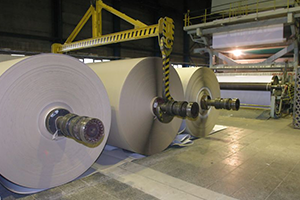
Pulp and Paper Manufacturing: Paper mills generate foam in pulping digesters, washing stages, and coating operations. Foam reduces equipment efficiency, causes sheet defects, and complicates chemical recovery systems. Black liquor processing, in particular, produces persistent foam that interferes with evaporation and combustion. De-inking operations in recycled paper production also require specialized defoamer chemistry that doesn't interfere with ink separation.
Industrial Cleaning and Chemicals: Industrial cleaning formulations including degreasers, parts washers, and CIP (clean-in-place) systems intentionally contain surfactants that create problematic foam. In commercial salt production, foam must be managed during distillation and evaporation stages to maintain efficiency. Chemical manufacturing processes including polymerization, emulsification, and compounding also generate foam that must be controlled without affecting product properties or reaction kinetics.
Technical Selection Guide
| Product | Industry | Application | Type | Range°C | Agrément | Kosher / Hallal certificate |
|---|---|---|---|---|---|---|
| DELCLEAN - Series | Slaughterhouse | Scalding pigs and peeling | Organics | 40 - 80°C | Available | Available |
| EROL X - Series | Salt | Distillation and evaporation | Silicone emulsion | >50°C | Available | Available |
| EROL X - Series | Brewery | Cleaning tanks, Fermentation | Silicone emulsion | >50°C | Food Grade | Available |
How PMC Ouvrie Defoamers Work Across Applications
Our defoamer portfolio includes multiple chemistry platforms; silicone emulsions, mineral oil compounds, polyether-based products, and fatty alcohol formulations each suited to different process environments. The selection depends on factors including temperature, pH, presence of organic solvents, compatibility with other process chemicals, and regulatory requirements.
For food applications, our food grade antifoams are formulated from FDA-approved ingredients and comply with relevant food contact regulations. These products effectively control foam without imparting taste, odor, or affecting product appearance.
The technology is optimized for:
- Brewing and beverage production
- Dairy processing and food manufacturing
- Municipal and industrial wastewater treatment
- Potable water treatment
- Pulp, paper, and de-inking operations
- Industrial cleaning and detergent manufacturing
- Chemical processing and synthesis
- Textile processing and dyeing
- Adhesives and sealant production
- Agricultural chemical formulation
Performance Benefits
Process Flexibility: Our broad product range ensures you can find effective foam control regardless of your industry or application.
Regulatory Compliance: Food grade defoamers meet applicable food contact regulations and HACCP rules, providing peace of mind for manufacturers.
Cost-Effective Solutions: Proper foam control reduces product losses, prevents overflows, maximizes equipment capacity, and minimizes downtime.
Technical Expertise: PMC Ouvrie's team brings deep application knowledge across multiple industries, from salt distillation to animal feed production.
Quality Assurance: All products are manufactured to consistent quality standards with batch-to-batch traceability. Technical data sheets and safety information are provided for every product.
Application Guidelines
Dosage Range: Varies widely by application; typically 10-500 ppm for most industrial processes.
Addition Point: Depends on process configuration and foam generation points. Common addition methods include:
- Direct addition to process tanks or vessels.
- Injection into pipelines or recirculation loops.
- Spray application onto foam surfaces
- Automated dosing controlled by foam sensors or level switches.
Product Selection: Selection criteria include:
- Regulatory requirements: Food grade vs. industrial
- Process conditions: Temperature, pH, chemical environment
- Compatibility: With other process chemicals and materials of construction
- Performance needs: Speed of action, persistence, residual effects
- Application method: Liquid vs. powder, concentrate vs. ready-to-use
Testing and Optimization: PMC Ouvrie provides sample quantities for in-plant trials to confirm product performance and determine optimal dosage before full-scale implementation.
Storage: Store in original containers away from extreme temperatures. Consult technical data sheets for specific guidelines.
Technical Support and Custom Solutions
PMC Ouvrie's technical team is available to help with product selection, dosing optimization, and troubleshooting across all application areas. We can conduct on-site evaluations, provide application testing support, and develop custom formulations when standard products don't fully meet your needs. Our goal is to be your trusted partner for foam control, regardless of your industry or application.
Have a unique foam control challenge? Contact PMC Ouvrie today to discuss your specific application and explore available solutions. Our specialists are ready to help you identify the most effective brewer defoamer, food grade antifoam, or industrial defoamer for your process.
Markets Served