


Why Textile Mills Are Ripping Out Decades-Old Processing Chemistries for Efficiency, Not Sustainability
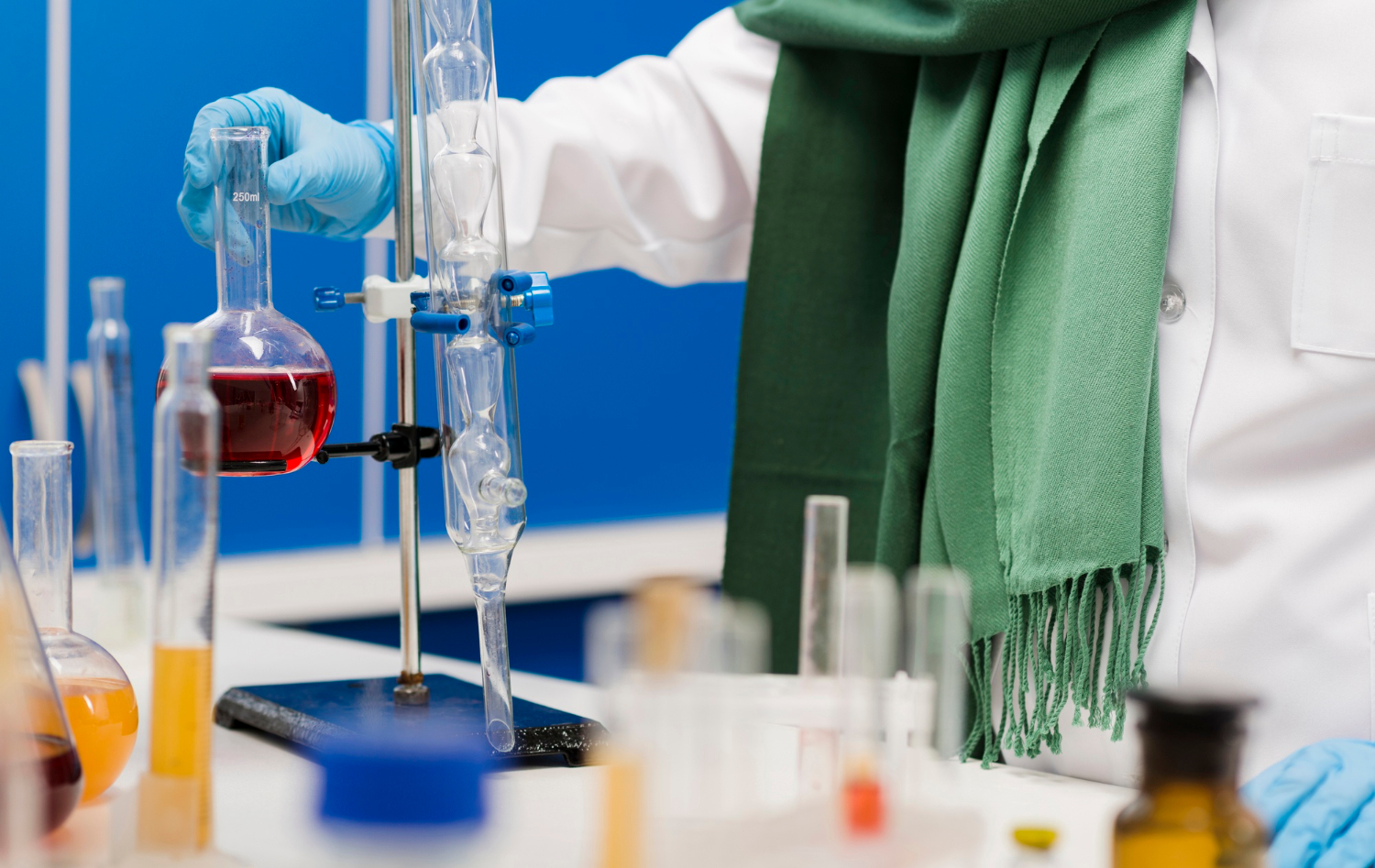
Textile processing solutions improve manufacturing by reducing water and energy consumption, shortening dye cycle times, minimizing chemical waste and increasing first-pass quality rates, all of which lower production costs and increase mill throughput. While these improvements carry sustainability benefits, we’re finding that textile mills are increasingly adopting newer processing chemistries primarily to cut operating costs and boost output.
For years, the case for upgrading textile processing chemistry was framed almost entirely around sustainability. Reduce water usage. Cut chemical waste. Lower the environmental footprint. That messaging hasn’t disappeared but in our conversations with mills, it’s no longer the main reason they’re making the switch. Rising energy costs, tighter margins, and growing competitive pressure have made the real question how do textile processing solutions improve manufacturing economics, not just environmental metrics.
What Textile Processing Solutions Actually Do
At a technical level, how do textile processing solutions improve manufacturing comes down to optimizing the chemistry involved in preparing, dyeing, and finishing fabric. Older processing chemistries often required longer dye cycles, higher water volumes, and multiple rinse stages to achieve consistent results. The processing solutions we develop are engineered to work more efficiently within a mill’s existing infrastructure, which translates directly into measurable operational gains:
- Shorter dye cycle times, allowing more production runs per day on the same equipment.
- Lower water consumption per batch, reducing both water procurement and wastewater treatment costs.
- Reduced energy demand, since many of our processing chemistries operate effectively at lower temperatures.
- Fewer rinse and rework cycles, improving first-pass quality and reducing wasted fabric.
- Lower chemical waste volume, cutting disposal and treatment costs.
Each of these translates into a direct cost line item on a mill’s operating budget, which is why plant managers, not just sustainability officers, are driving these upgrades.
Why Mills Are Making the Switch Now
Energy costs have risen sharply in many manufacturing regions over the past several years, and dyeing and finishing processes are among the most energy-intensive stages of textile production. This has made the question of how do textile processing solutions improve manufacturing efficiency a direct financial priority rather than a long-term environmental goal. A processing chemistry that allows dyeing to run at a lower temperature, even by a modest margin, can meaningfully reduce a mill’s energy bill across thousands of production cycles per year.
Water costs and wastewater treatment regulations have moved in a similar direction, particularly in regions facing water scarcity or tightening discharge regulations. The processing solutions we design to reduce water intensity aren’t just easier on the environment. They reduce a real, recurring operating cost that compounds at scale.
How We Approach This With Mills
We work directly with textile manufacturers to understand how textile processing solutions improve manufacturing outcomes for each mill’s specific equipment and production goals, rather than offering a one-size-fits-all chemistry. Because processing efficiency depends heavily on how a chemistry interacts with existing equipment, water conditions, and fiber types, we treat technical support as being just as important as the chemistry itself. Our approach to textile processing emphasizes applied, mill-specific optimization rather than a generic product swap, which is why we spend time understanding a mill’s actual production conditions before recommending a solution.
The Efficiency-Sustainability Overlap
It’s worth noting that efficiency-driven and sustainability-driven processing upgrades often lead to the same technical solutions, even when the underlying motivation differs. A processing chemistry that cuts water use by thirty percent reduces both cost and environmental impact simultaneously. This overlap is part of why the sustainability narrative around textile chemistry persists, even as the primary purchasing driver has shifted toward operating economics.
What This Means for Mills Evaluating an Upgrade
Textile manufacturers considering a processing chemistry upgrade should evaluate solutions based on demonstrated efficiency data specific to their equipment and fiber types, not generic performance claims. We’ve found that the mills seeing the strongest returns are the ones treating processing chemistry as a direct lever on production cost and throughput, with sustainability improvements following naturally from that decision.
Frequently Asked Questions
How do textile processing solutions improve manufacturing?
Textile processing solutions improve manufacturing by reducing water and energy use, shortening dye cycle times, minimizing chemical waste, and increasing first-pass quality which together lower production costs and increase throughput.
Are mills upgrading processing chemistry mainly for sustainability or cost savings?
Increasingly, cost savings. Rising energy and water costs have made processing efficiency a direct financial priority, though the resulting upgrades deliver sustainability benefits as well.
Can new textile processing solutions work with existing mill equipment?
Many of our processing chemistries are designed to integrate with existing infrastructure, though performance depends on factors like water conditions, fiber type and equipment specifications which is why we prioritize technical support alongside the product itself.
How much can processing chemistry upgrades reduce energy costs?
Savings vary by mill and process but chemistries that allow dyeing at lower temperatures can meaningfully reduce energy consumption across high-volume production cycles.
How do you tailor processing solutions to a specific mill?
We start by understanding a mill’s existing equipment, water conditions and fiber types before recommending a solution, since processing efficiency depends heavily on how the chemistry interacts with a mill’s actual production environment.