


The Additive Category Quietly Deciding Whether EV Battery Coatings Survive Thermal Cycling
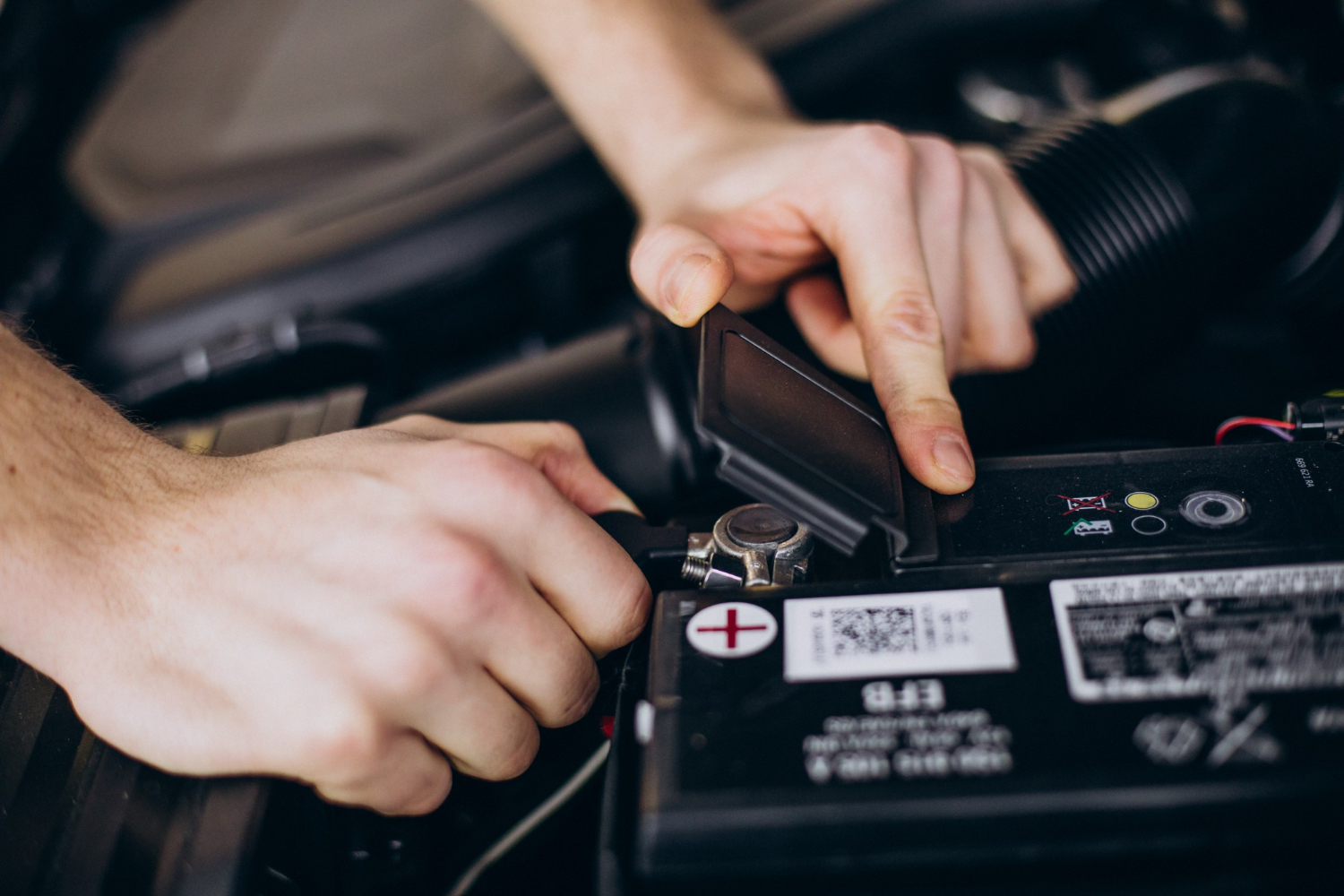
Performance costing additives are specialty ingredients added to coating formulations to enhance specific properties such as thermal stability, adhesion, UV resistance, and durability under repeated stress, going beyond what a base resin system can achieve on its own. As EV battery components face repeated heating and cooling cycles over their operating life, performance coating additives. Particularly stabilizers and adhesion promoters, have become a deciding factor in whether a coating survives the vehicle’s full service life or fails prematurely.
A battery pack can pass every initial quality check with a flawless-looking coating and clean adhesion test results and still develop hairline cracks across the housing coating within a couple of years in the field. Nothing about the original formulation was necessarily wrong on paper. It just wasn’t built for the specific stress the coating would face over thousands of real-world charge cycles.
This gap between lab performance and field performance is why we get asked a more precise question than we used to: what are performance coating additives actually doing inside a battery coating system and why do some formulations hold up while others quietly fail.
The Failure: What Actually Goes Wrong
Most EV battery coating failures trace back to one root cause: the coating can’t keep up with repeated expansion and contraction. Fast charging and high-load driving heat battery components significantly; idle periods cool them back down. That cycle repeats thousands of times over a vehicle’s life, and a coating that can’t flex with the substrate eventually cracks, delaminates, or lets moisture reach the housing underneath. Once that happens, corrosion sets in, and a coating problem becomes a battery integrity problem.
The frustrating part is that these failures rarely show up in early testing. A coating can pass a single thermal cycle test with no issues and still fail after the hundreds or thousands of cycles it will actually experience in the field.
The Fix: What Performance Coating Additives Are For
This is exactly what our performance coating additives are engineered to prevent. Rather than relying on a base resin system alone, we build additives into a formulation to target specific failure modes:
- Flexibilizing agents let the coating expand and contract with the substrate instead of cracking under repeated thermal stress.
- Adhesion promoters strengthen the bond between coating and housing, so cycling stress doesn’t pull the two layers apart.
- Heat stabilizers protect the coating’s molecular structure from breaking down under sustained high-temperature exposure.
- Corrosion inhibitors guard the housing itself once any moisture does get through, buying time before a small breach becomes a real problem.
Each additive solves a different piece of the same puzzle. In most battery coating formulations we work on, it’s the combination that determines whether the coating survives, not any single ingredient carrying the whole load.
Why Standard Coating Testing Misses This
A lot of coating additive selection still leans on general industrial benchmarks: hardness, initial adhesion, one-off temperature exposure. Those tests were never designed around the specific stress pattern of an EV battery pack, where the real question isn’t whether a coating can handle heat once, but whether it can handle heat, cold, heat, cold, thousands of times in a row.
At PMC Group, we test our additive packages against the actual thermal cycling conditions a coating will face in service, not generic coating specs, because that’s the only reliable way to know how a formulation will hold up two years into a vehicle’s life rather than two weeks. When we work with a formulator, we start by understanding the specific thermal range, substrate material, and expected service life the coating needs to survive, since a package built for one battery architecture won’t automatically be right for another.
Why This Is Getting Harder, Not Easier
Battery technology is moving toward faster charging and higher energy density, and both trends push more thermal stress onto everything around the cell, including the coating. What worked as a performance coating additive package five years ago may not be enough for the charging speeds batteries are being designed around now. We’ve found that formulators who treat additive selection as a minor formulation detail are the ones most likely to see failures show up after the product is already in the field, which is why we push for thermal cycling validation earlier in the formulation process, not after.
Frequently Asked Questions
What are performance coating additives?
Performance coating additives are specialty ingredients, such as flexibilizers, adhesion promoters, heat stabilizers, and corrosion inhibitors, added to a coating to improve specific properties beyond what the base resin can achieve alone.
Why do EV battery coatings crack over time?
Repeated thermal cycling from charging and driving causes the coating to expand and contract. Without the right additives, the coating can’t keep up with that stress and eventually cracks or delaminates.
Can a coating pass initial testing and still fail later?
Yes. Standard single-cycle temperature tests often don’t reveal how a coating performs after the thousands of thermal cycles it will actually undergo in real-world EV use.
What’s the difference between a flexibilizing agent and an adhesion promoter?
A flexibilizing agent helps the coating expand and contract without cracking, while an adhesion promoter strengthens the bond between the coating and the substrate so cycling stress doesn’t cause separation.
How does PMC Group test additives for EV battery coatings?
We test additive packages against the actual thermal cycling conditions, substrate materials, and service life requirements specific to the battery architecture, rather than relying on generic industrial coating benchmarks.