


The Performance Fabric Boom Is Quietly Rewriting What ‘Textile Chemical’ Even Means
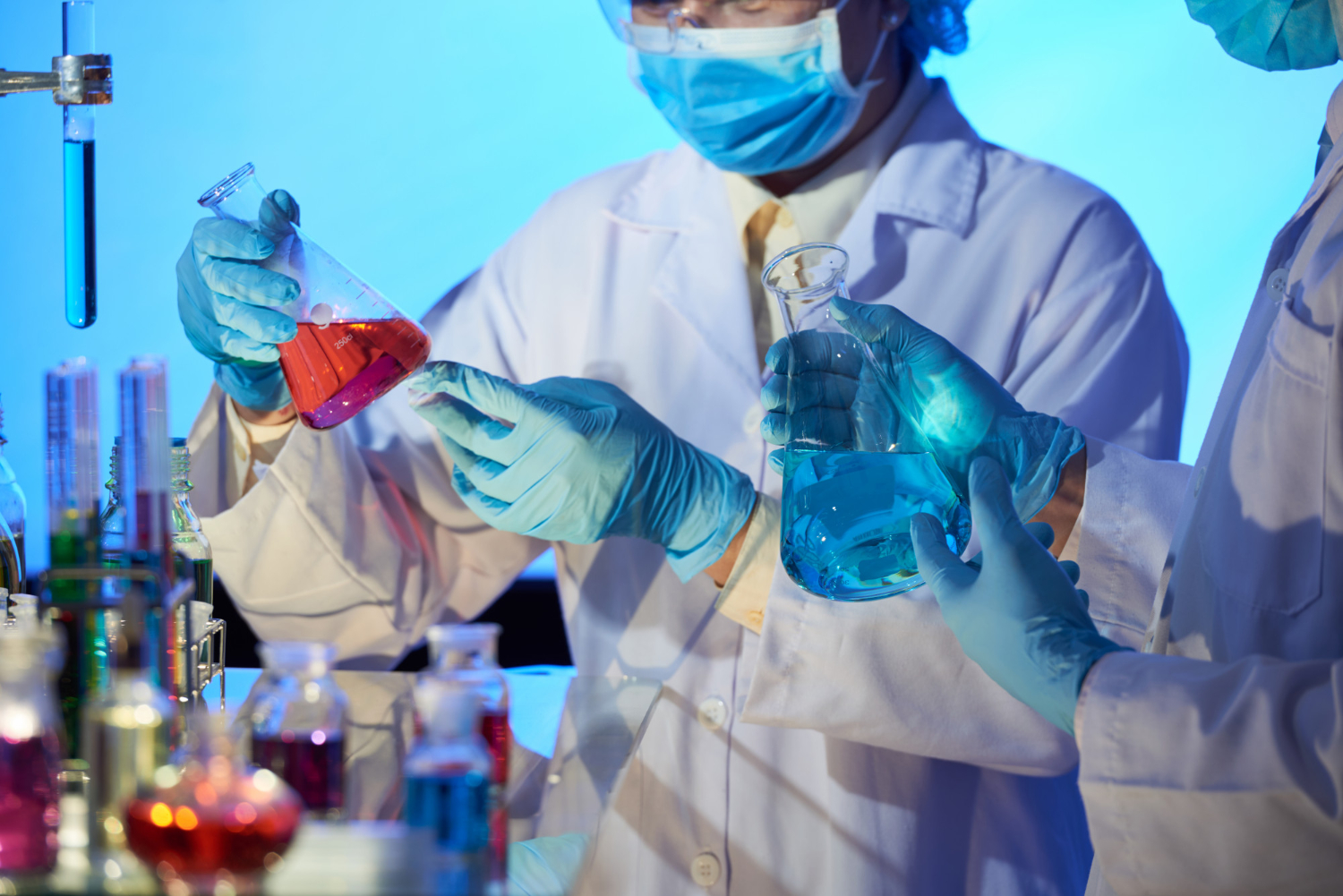
Industrial textile chemicals are used throughout fabric production and finishing to control properties like dyeing uptake, water resistance, flame retardancy, softness, and durability, transforming raw fiber into a finished textile with specific performance characteristics. The rapid growth of technical and performance fabrics is driving demand for a new generation of specialty finishing chemistries well beyond traditional dyeing and softening agents.
A decade ago, most consumers never thought about the chemistry behind their clothing. Today, performance apparel is a mainstream category, and shoppers actively look for moisture-wicking, odor-resistant, four-way stretch, and water-repellent claims on the label. That shift in consumer demand has quietly changed ‘what are industrial textile chemicals used for’, pushing the category well past traditional dyes and softeners into a much more technical space.
The Traditional Role of Textile Chemicals
Historically, the answer to ‘what are industrial textile chemicals used for’ centered on a fairly narrow set of functions: dye fixatives to improve color uptake and wash-fastness, softening agents to improve hand-feel, and basic finishing treatments to reduce wrinkling or shrinkage. These remain foundational to textile manufacturing, but they represent only part of the picture today.
Where the Category Has Expanded
The rise of performance and technical fabrics has significantly broadened “what are industrial textile chemicals used for” in modern manufacturing. Current applications include:
- Water and stain repellent treatments for outdoor and workwear fabrics.
- Flame retardant finishes for industrial and protective clothing.
- Antimicrobial and odor-control treatments for athletic and base-layer fabrics.
- Moisture management finishes that improve wicking performance.
- UV protection treatments for outdoor apparel.
- Durability enhancers that extend fabric lifespan under repeated washing and stress.
Each of these functions requires a different chemistry, often layered together in a single fabric which has made textile finishing considerably more technically demanding than it was when the primary goals were color and softness.
Why This Shift Is Happening Now
Several trends are converging to accelerate demand for advanced textile chemistries. The athleisure and outdoor apparel categories have grown into some of the largest segments in consumer fashion and consumers in these categories expect performance claims to hold up through repeated wear and washing, not just at point of sale. Workwear and industrial protective clothing markets have simultaneously pushed demand for flame retardant and durability chemistries as safety regulations tighten across manufacturing and construction sectors.
This has changed what industrial textile chemicals are used for from a mill’s perspective as well. Textile manufacturers are no longer choosing a single finishing chemistry for an entire fabric run. They’re increasingly customizing finish combinations by end-use application which requires closer collaboration with chemical suppliers who understand both the chemistry and the performance requirements of the finished product.
The Technical Challenge Behind Performance Claims
Delivering on performance claims consistently is harder than it looks. A water-repellent finish that performs well initially but washes out after a handful of laundry cycles creates a real product liability for apparel brands. This is why understanding “what are industrial textile chemicals used for” now requires deeper technical partnership between chemical suppliers and textile manufacturers, not just a transactional purchase of a finishing agent off a catalog.
Manufacturers who can demonstrate durability data, wash-cycle performance testing, and consistent batch-to-batch results are increasingly preferred over suppliers offering finishing chemicals without that level of technical support.
What This Means for Textile Manufacturers
As performance apparel continues to grow as a category, the definition of what are industrial textile chemicals used for will likely keep expanding. Manufacturers evaluating chemical suppliers should prioritize partners with genuine finishing chemistry expertise, application knowledge, and testing capability. PMC Group is positioned within this broader specialty chemical landscape, helping manufacturers look beyond basic dyeing and softening toward chemistry designed for specific textile performance requirements.
Frequently Asked Questions
What are industrial textile chemicals used for?
Industrial textile chemicals are used to control fabric properties such as dyeing, water resistance, flame retardancy, softness and durability, transforming raw fiber into finished textiles with specific performance characteristics.
Why has demand for textile chemicals grown recently?
Growth in performance and technical fabric categories, including athleisure, outdoor apparel and workwear, has driven demand for advanced finishing chemistries beyond traditional dyeing and softening.
What types of finishes fall under industrial textile chemicals?
Common finishes include water and stain repellents, flame retardants, antimicrobial treatments, moisture-wicking finishes, UV protection and durability enhancers.
Why do performance fabric finishes sometimes fail after washing?
Finish durability depends on the chemistry’s ability to bond with the fiber and withstand repeated laundering. Poorly formulated or applied finishes can wash out faster than expected, undermining performance claims.
How do textile manufacturers choose the right finishing chemistry?
Manufacturers typically select finishes based on the fabric’s end-use application, required durability and performance claims, often working closely with chemical suppliers who can provide testing data and application support.