


The Quiet Shift From Petro-Feedstock to Fermentation-Derived Chemistry
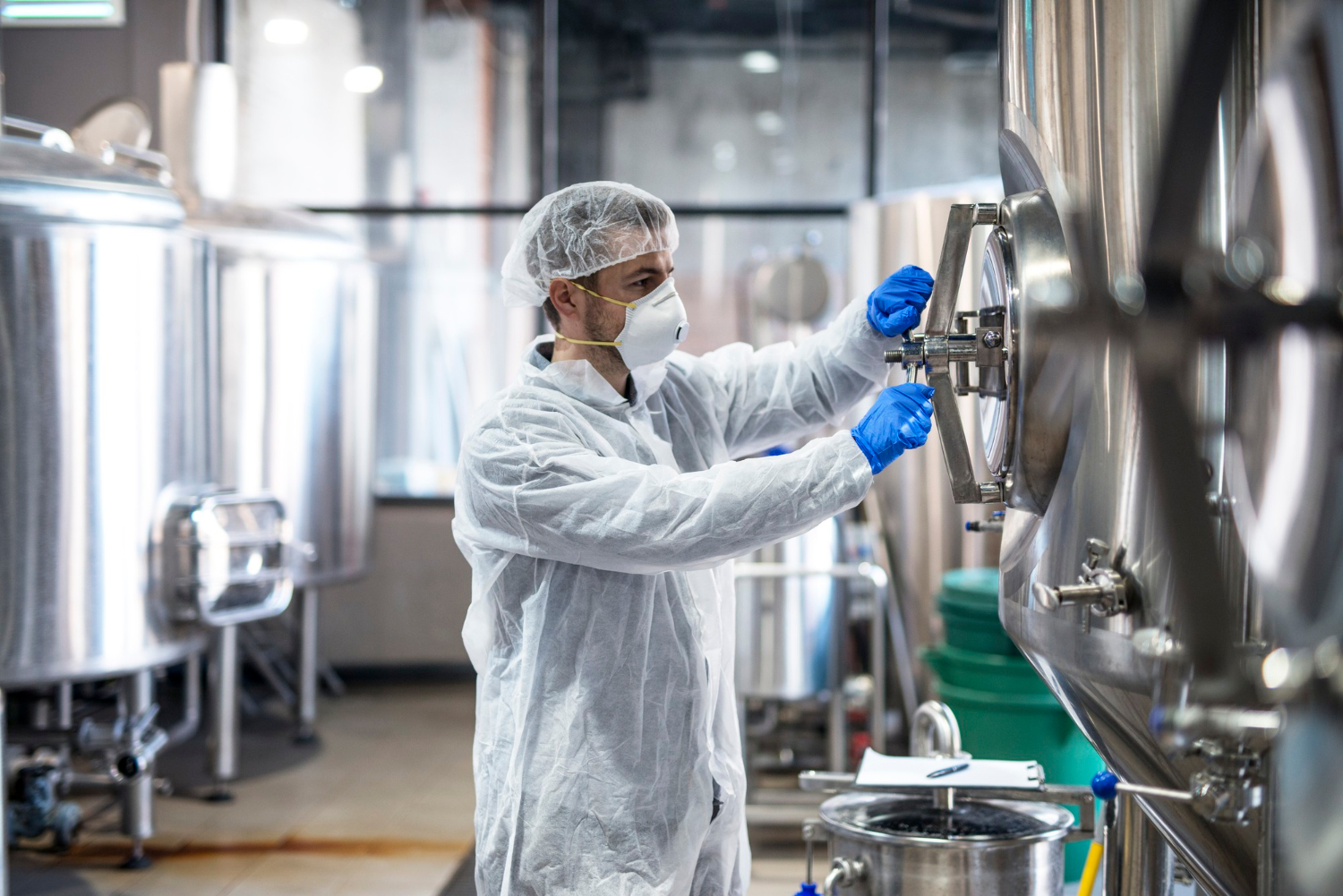
Industrial fermentation works by using microorganisms , engineered bacteria, yeast, or fungi to convert renewable feedstocks like sugars or plant oils into target chemical compounds through controlled biological reactions, rather than through petroleum-based synthesis. Manufacturers are shifting toward this route because it reduces dependence on fossil feedstocks, offers more stable input costs, and increasingly meets performance specs that once required petrochemical processes.
For most of the last century, industrial chemistry meant petrochemical chemistry. Feedstocks came from oil and gas, and fermentation was mostly associated with food, beverages, and pharmaceuticals. That divide is narrowing fast. As fossil feedstock prices swing unpredictably and brand owners face pressure to lower their carbon footprint, more manufacturers are asking a very practical question: how does industrial fermentation work at a scale that can actually replace petro-based inputs, not just supplement them.
The Basic Mechanics
At its core, industrial fermentation works by feeding a renewable carbon source, plant-derived sugars, fatty acids, or oils, to a microorganism selected or engineered to produce a specific compound as a byproduct of its metabolism. The organism is grown in a controlled bioreactor environment where temperature, oxygen, pH, and nutrient levels are tightly managed to maximize yield. Once fermentation is complete, the target compound is separated, purified, and refined to meet the same technical specifications a customer would expect from a conventionally synthesized chemical.
The process breaks down into a few core stages:
- Strain selection or engineering, choosing or modifying a microorganism to produce the desired compound efficiently.
- Feedstock preparation, sourcing and conditioning the renewable input the organism will consume.
- Controlled fermentation, running the reaction in bioreactors under precise environmental conditions.
- Downstream purification, isolating and refining the final compound to commercial-grade purity.
Understanding how industrial fermentation works at each of these stages matters because performance and cost depend heavily on how well each step is optimized, not just on the biology itself.
Why Manufacturers Are Making the Switch
The renewed interest in fermentation-derived chemistry isn’t primarily about sustainability marketing. It’s about input stability. Petroleum-based feedstocks are exposed to geopolitical volatility, refining capacity constraints, and demand competition from fuel markets. Renewable feedstocks used in fermentation, such as agricultural sugars or plant oils, come from a broader, more distributed supply base, which can insulate manufacturers from the sharpest price swings.
There’s also a performance angle that often gets overlooked. Fermentation-derived compounds can, in many cases, be engineered for greater purity or more consistent molecular structure than their petrochemical counterparts, because biological synthesis pathways can be tuned with high specificity. For applications in personal care, food, and specialty chemicals where purity and consistency drive downstream performance, this is a meaningful advantage, not just a sustainability checkbox.
Where the Technical Difficulty Actually Lives
Explaining how industrial fermentation works in principle is straightforward. Making it commercially viable at industrial scale is not. Yield efficiency, contamination control, and downstream purification costs are where most fermentation projects succeed or fail. A lab-scale process that performs well in a one-liter bioreactor doesn’t automatically scale to a ten-thousand-liter industrial vessel without significant reengineering.
At PMC Group, our work in enzyme and fermentation applications reflects the importance of chemistry that supports these processes. PMC Group offers specialty products including defoamers, fatty acids, fatty esters, glycerol esters, methyl esters, and other chemistries used as process aids and functional components in fermentation applications.
What This Means for Buyers
Companies evaluating fermentation-derived ingredients should look past the renewable sourcing story and ask harder operational questions: What’s the demonstrated yield at commercial scale? How consistent is batch-to-batch purity? What happens to supply if a feedstock crop has a bad season? These are the questions that separate a fermentation supplier who understands how industrial fermentation works in practice from one who understands it only in concept.
For PMC Group, that practical understanding extends to the chemistry used within fermentation processes. Its enzyme and fermentation portfolio is designed to support applications with process aids and specialty chemistries tailored to specific manufacturing requirements.
Frequently Asked Questions
How does industrial fermentation work?
Industrial fermentation works by using microorganisms to convert renewable feedstocks, such as plant sugars or oils, into target chemical compounds inside controlled bioreactors, followed by purification to commercial-grade specifications.
What feedstocks are used in industrial fermentation?
Common feedstocks include agricultural sugars, plant-derived oils, and other renewable carbon sources selected based on the microorganism’s metabolic requirements and the target compound’s purity needs.
Why are manufacturers switching from petrochemical to fermentation-derived chemistry?
The main drivers are feedstock price stability, reduced exposure to fossil fuel market volatility, and the ability to achieve high purity and consistency through tunable biological synthesis pathways.
Is fermentation-derived chemistry as consistent as petrochemical synthesis?
When scaled properly with strong process controls, fermentation can match or exceed petrochemical consistency, since biological pathways can be engineered for high specificity. Scale-up execution is the deciding factor.
What’s the biggest challenge in scaling industrial fermentation?
The greatest challenges are maintaining yield efficiency and purity when moving from lab-scale to commercial-scale bioreactors, along with controlling downstream purification costs at volume.