


Which Defoamer Is Suitable for Cosmetics Manufacturing? What to Check Before You Choose
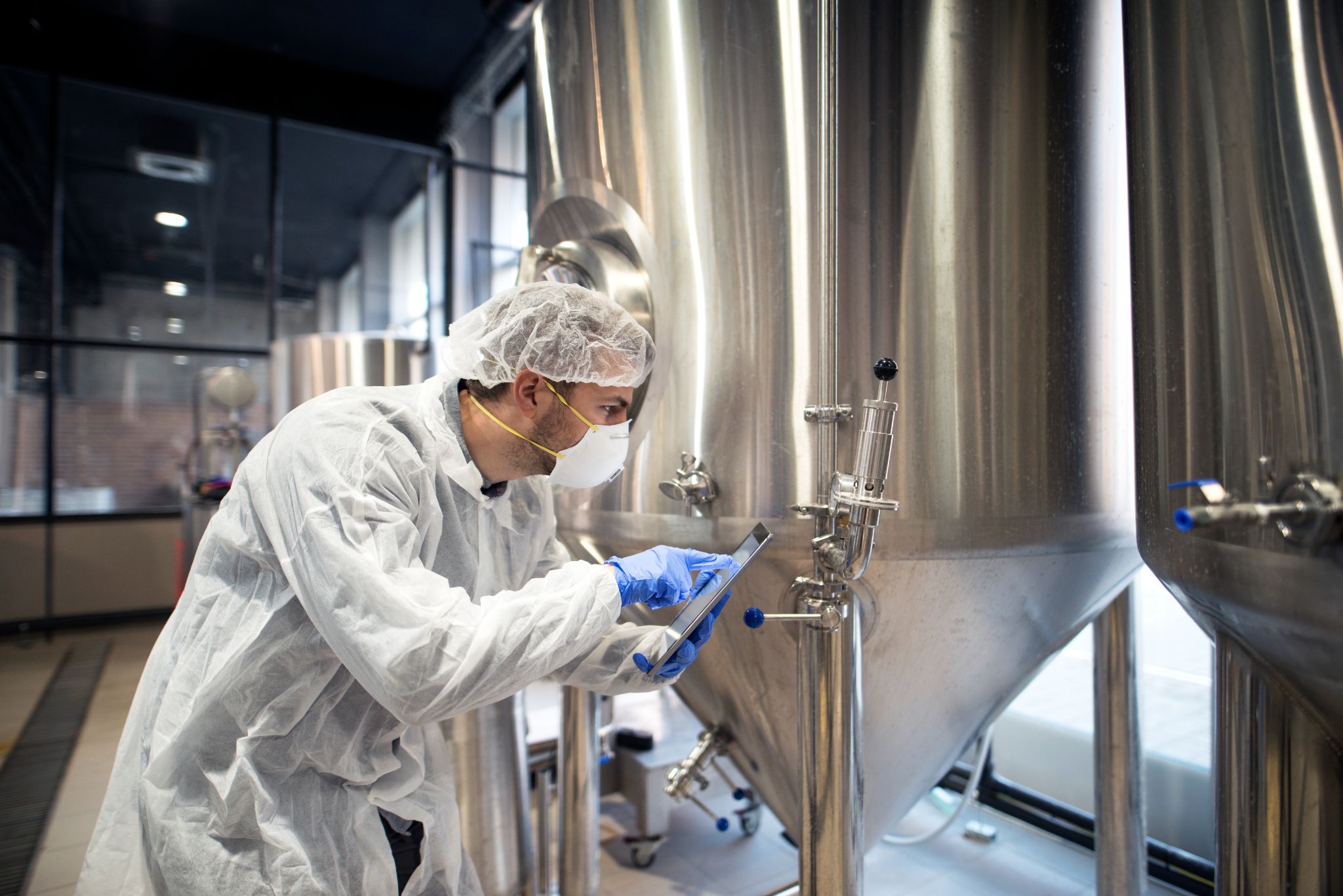
A defoamer that works perfectly in a shampoo base can behave completely differently in a cream, even when both come off the same production line. Manufacturers often find this out the expensive way: a product that solved foam in one formulation gets carried over to the next, and it either underperforms or introduces a texture or stability problem nobody asked for.
At PMC Ouvrie, we work with personal care and cosmetics manufacturers on exactly this decision, and the question we hear most isn’t “what’s your best defoamer?” It’s “how do I know this one will actually work in my formulation?” That’s the right question, and it’s the one this article answers.
Which Defoamer is Suitable For Cosmetics Manufacturing?
The suitable defoamer for cosmetics manufacturing depends on the formulation, processing conditions, required foam control, compatibility with other ingredients, and the requirements of the finished product. There is no single defoamer that’s appropriate for every cosmetic process.
Why Foam Matters During Cosmetic Manufacturing
Foam isn’t a cosmetic flaw you fix at the end. It interferes with the process itself. Air entrained during mixing can throw off fill weights and create inconsistent batches. Foam sitting on top of a batch slows down processing and can force extra mixing time to clear it. In some formulations, entrained air affects appearance and texture in the finished product, not just during manufacturing. Each of these is a manufacturing problem before it’s a product-quality one.
Where Foam Comes From in Cosmetic Manufacturing
Foam sources vary by formulation, so treat this as a starting checklist rather than a universal cause list:
- High-speed mixing and agitation, which introduce air mechanically.
- Surfactants, common in shampoos, cleansers, and many emulsified formulations, which stabilize foam by design.
- Emulsification itself, since the process that combines phases can also incorporate air.
- Recirculation or pumping, which can reintroduce air during transfer between vessels.
Which of these applies depends on your specific formulation and equipment. Not every cosmetic process generates foam the same way.
What To Consider When Choosing a Cosmetic Defoamer
This is the decision that actually matters, and it has more variables than most buyers check upfront:
- Formulation composition: what surfactants, emulsifiers, and actives are already present.
- Processing temperature: the defoamer needs to remain effective across your actual operating range, not just at room temperature.
- pH: cosmetic formulations span a wide pH range, and defoamer performance can shift with it.
- Mixing and shear conditions: how hard your equipment works the formulation.
- Required knockdown speed and persistence: whether you need foam gone immediately or suppressed over a longer process.
- Compatibility: with the specific ingredients in your formula, not cosmetic ingredients generally.
- Dosage: the lowest amount that controls foam without over-treating the batch.
- Effect on appearance and finished-product properties: texture, clarity, and stability, all of which a defoamer can influence for better or worse.
- Regulatory or formulation requirements: tied to your specific product category and market.
Why Compatibility is The Real Risk
A defoamer’s job is to remove one problem without creating another. Depending on the formulation, a poorly matched defoamer can affect appearance, stability, texture, dispersion, surface characteristics, or overall consistency. Whether it does, and how much, depends on the specific chemistry, the dose, and the formulation it’s added to. That’s exactly why compatibility testing in your own formula matters more than a defoamer’s general reputation.
Why Testing Matters Before You Choose
Selecting a defoamer isn’t a one-step decision. A workable process runs through several stages:
- Start from your formulation and process conditions, not a generic product list.
- Identify candidate products based on your temperature range, pH, and surfactant system.
- Run small-scale testing in your actual formulation, not a simplified proxy.
- Evaluate performance against both foam control and finished-product properties.
- Validate at production scale before it becomes your standard process input.
A defoamer that performs well in one formulation cannot be assumed to work the same way in another, even within the same product category. Skipping straight from a data sheet to full production is where most mismatches surface.
What Makes a Defoamer Suitable or Cosmetics Manufacturing
A suitable product provides the foam control your process needs while remaining compatible with the formulation and manufacturing process, and meeting the requirements of your finished product. That’s a formulation-specific answer, not a single product name.
How PMC Ouvrie Supports Cosmetics and Personal Care Manufacturing
For personal care and cosmetics, we offer EROL 520 SX, a silicone emulsion for use in formulation, and DELFOAM B26 C, a wax dispersion for material cleaning, both across a 20–100°C range. Our page describes these as compatible with a wide range of ingredients commonly used in personal care products and suited to creams, lotions, shampoos, conditioners and makeup formulations. Whether either grade fits your specific formulation depends on your surfactant system, pH and processing conditions, which is exactly what we’d want to review with you before recommending one.
See our defoamers for personal care and cosmetics page, then contact our technical team with your formulation details and processing conditions.
Conclusion
There’s no universal answer to which defoamer suits cosmetics manufacturing, because the right one depends on your formulation, your process and what the finished product needs to deliver. Test against your own conditions before committing to a product for production.
FAQs
Can a defoamer affect the stability of a cosmetic formulation?
It can, depending on the chemistry, dose, and formulation. This is one of the main reasons to test a defoamer in your actual formula rather than relying on its performance in a different product.
Does every cosmetic manufacturing process need a defoamer?
No. Foam generation depends on the formulation and equipment. Some processes generate little foam and don’t need active foam control, while others, particularly surfactant-heavy or high-shear processes, are more likely to require it.
Can the same defoamer be used across different cosmetic formulations?
Not automatically. A defoamer that performs well in one formulation, such as a shampoo, isn’t guaranteed to work the same way in a different one, such as a cream, because the surfactant system, pH, and processing conditions typically differ.