


Why Food Manufacturers Are Suddenly Asking About Their Additive Supplier’s Traceability, Not Just Its Spec Sheet
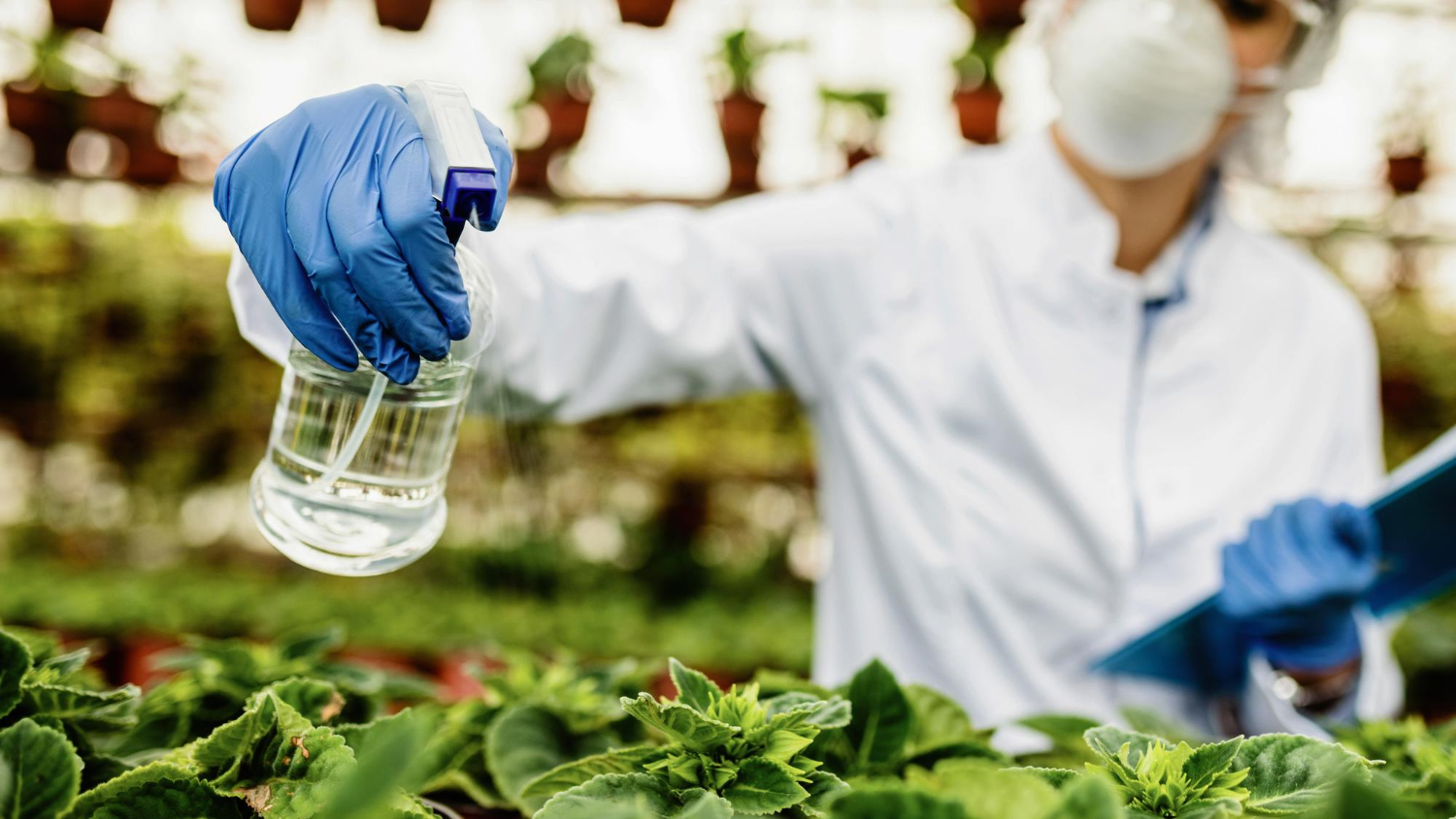
Food grade chemicals are additives, processing aids, and functional ingredients manufactured and certified to strict purity and safety standards for use in food production, covering everything from emulsifiers and preservatives to processing aids. What’s changed recently is that food manufacturers now demand full supply chain traceability for these inputs, not just a certificate of analysis, as consumer scrutiny and regulatory pressure push transparency further upstream than ever before.
A spec sheet used to be enough. A supplier would confirm purity, provide a certificate of analysis, and that was the extent of the conversation. Increasingly, though, buyers are going back to basics and asking what are food grade chemicals, exactly and where do they come from before signing off on any purchase order. The shift reflects a broader trend in consumer packaged goods, where clean-label pressure and traceability expectations have moved from marketing language into procurement requirements.
What Counts as a Food Grade Chemical
Food grade chemicals include a wide range of functional ingredients: emulsifiers that stabilize texture, preservatives that extend shelf life, processing aids that support manufacturing efficiency, and specialty additives that improve mouthfeel, appearance, or nutritional profile. To qualify as food grade, these materials must meet regulatory purity thresholds and be manufactured under conditions that prevent contamination, typically governed by frameworks like FDA food additive regulations or equivalent international standards.
The category itself hasn’t changed much. What’s changed is how much documentation buyers expect behind it.
Why Traceability Became Non-Negotiable
A few converging pressures explain the shift. Consumer awareness of ingredient sourcing has grown sharply, driven by clean-label movements and heightened scrutiny of supply chains following several high-profile contamination incidents across the food industry. Retailers have responded by pushing traceability requirements down to their suppliers, who in turn push them further down to ingredient manufacturers.
Regulators have moved in the same direction. Requirements around supply chain documentation and rapid traceability in the event of a recall have tightened, meaning a food brand can no longer treat its additive supplier as a black box. If a contamination issue surfaces anywhere in the chain, brands need to trace it back to the source within hours, not weeks.
This has turned sourcing conversations around food grade chemicals into much more detailed technical reviews. Buyers now commonly ask for:
- Documentation of raw material origin and processing location.
- Batch-level traceability records tied to specific production runs.
- Evidence of contamination controls at every manufacturing stage.
- Transparency around any subcontracted processing steps.
Why This Matters More for Some Additives Than Others
Not every ingredient carries the same traceability burden, which is part of why the question of what are food grade chemicals used in a specific product matters so much to buyers now. Additives derived from agricultural or oleochemical feedstocks, where raw material quality can vary by harvest, region, or growing conditions, tend to draw more scrutiny than purely synthetic additives with stable, controlled inputs. Buyers sourcing renewable-based or plant-derived additives are particularly likely to ask detailed questions about feedstock origin, since natural variability introduces more points where quality could shift batch to batch.
This is where supplier manufacturing depth becomes a real differentiator. A supplier who controls more of its own production process, rather than relying on multiple subcontracted steps, can typically provide faster and more complete traceability documentation, because there are fewer external parties in the chain to coordinate with. For PMC Group, manufacturing expertise and control are an important part of supporting customers that require consistent specialty chemical quality, documentation, and supply visibility.
What Buyers Should Actually Ask For
Rather than accepting a general assurance of quality, food manufacturers evaluating suppliers of food grade chemicals should request specific traceability documentation before finalizing a sourcing decision: batch records tied to raw material lots, facility audit history, and a clear map of every processing step the ingredient passes through. Suppliers who can answer these questions without hesitation typically have the internal systems to support a fast, accurate response if a recall situation ever arises.
The bar for food grade chemicals has effectively risen. Purity and safety compliance are now the starting point, not the differentiator. Traceability, documentation depth, and manufacturing transparency are what separate a supplier a brand trusts under pressure from one that becomes a liability during a crisis.
Frequently Asked Questions
What are food grade chemicals?
Food grade chemicals are additives and processing aids, such as emulsifiers, preservatives, and functional ingredients, manufactured and certified to meet strict purity and safety standards for use in food production.
Why is traceability important for food grade chemicals?
Traceability allows brands to quickly identify the source of a quality or contamination issue anywhere in the supply chain, which is critical for regulatory compliance and fast recall response if a problem arises.
What documentation should a food grade chemical supplier provide?
Buyers should expect batch-level traceability records, raw material origin documentation, facility audit history, and clear visibility into any subcontracted processing steps.
Are plant-derived food additives harder to trace than synthetic ones?
Yes. Plant-derived and oleochemical-based additives can have more variability tied to harvest and growing conditions, which is why buyers tend to ask more detailed sourcing questions for these ingredients.
How does supplier manufacturing control affect traceability?
Suppliers who manage more of their own production process internally, rather than outsourcing multiple steps, can generally provide faster and more complete traceability documentation.