


What Should You Check Before Switching to a Silicone-Free Defoamer?
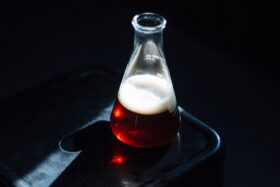
Before switching to a silicone-free defoamer, check why the change is needed, whether the alternative works with your process, and how it affects downstream operations. A silicone-free product may be appropriate when silicone residues or compatibility requirements are a concern, but it isn’t automatically the better option for every application. When comparing silicone vs non
- Published in Defoamer
Why Does an Antifoam Work in the Lab but Fail in Production?
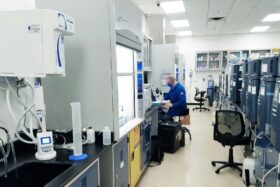
An antifoam may work in the laboratory but fail in production because the test does not fully reproduce how foam forms in the plant. Differences in mixing, air introduction, dosing, and operating duration can change the product’s performance. A formulation that quickly reduces foam in a small sample may not provide the same control in
- Published in Defoamer
Why Does Industrial Foam Suddenly Increase During Production?

Industrial foam can suddenly increase when something changes in the process, such as a new raw material, higher mixing speed, contamination, or a change in temperature or pH. These changes may introduce more air into the liquid or make existing bubbles harder to break. If foam levels were stable earlier in the production run, identifying
- Published in Defoamer